
Wisdom Teeth Removal in Peterborough, ON
Wisdom Tooth Extraction in Peterborough for Pain Relief and Long-Term Oral Health
At Kawartha Dental Clinic, our in-house sedation options can help you relax during treatment without needing an oral surgeon referral. Local patients trust Kawartha Dental Clinic for wisdom teeth removal and sedation. Direct billing available.
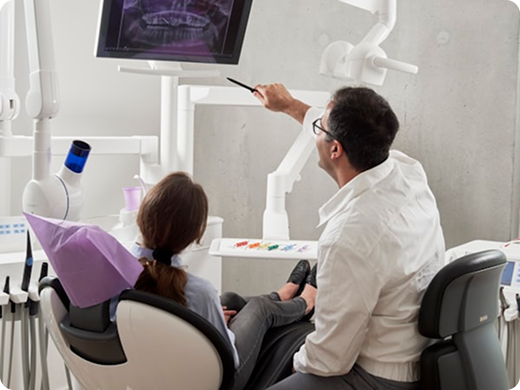
Signs You May Need Wisdom Tooth Removal

Pain or pressure behind your last molars is a common sign that your wisdom teeth are causing a problem.
Swelling, redness, or bleeding around a wisdom tooth can happen when the tooth is partly covered by gum.
A wisdom tooth problem can cause jaw pain or make it harder to open your mouth.
A bad taste, bad breath, swelling, or pain around a wisdom tooth can be a sign of infection.
Wisdom teeth can put pressure on nearby teeth when there is not enough room in the jaw.
Some impacted wisdom teeth are linked to cysts around the tooth.
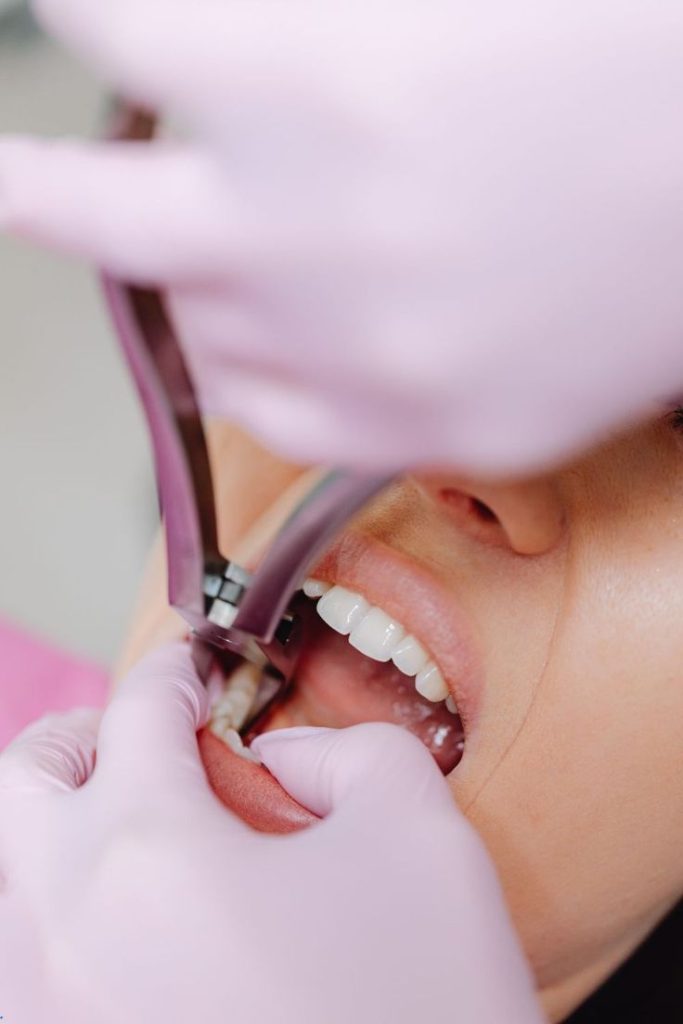
What to Expect During Wisdom Tooth Removal

Consultation & X-Rays
Your dentist checks the position of your wisdom teeth and takes digital X-rays when needed.
Anaesthesia & Sedation
You can discuss local anaesthesia and available sedation options before treatment.
Tooth Removal
We remove the tooth with either a simple or surgical extraction, depending on its position.
After Your Extraction
You will receive instructions for caring for your mouth at home and reducing the risk of problems such as dry socket.
Wisdom Tooth Extraction vs. General Extraction
Check the table below to see the main differences between wisdom tooth extraction and a general tooth extraction.
| Feature | Wisdom Tooth Extraction | General Extraction |
|---|---|---|
| Procedure Type | Often surgical | Usually simple |
| Tooth Location | Back molars | Any tooth |
| Complexity | Higher complexity | Lower complexity |
Surgical tooth removal is more common with wisdom teeth because of their position and the possibility of impaction.
Take the First Step Toward a Pain-Free Tooth Extraction
Why Your Dentist Recommended Removal
When wisdom teeth don’t grow properly, they can cause more than just discomfort:
- Crowding: They push nearby teeth out of place
- Infection: Food and bacteria get trapped, leading to gum disease (Pericoronitis)
- Cysts: Can damage the jawbone and surrounding structures
- Lack of space in the jaw: No room for proper eruption
- Impacted teeth: Stuck under gums or bone
- Increased risk of infection: Especially with partial eruption
- Damage to nearby teeth: Pressure and decay risk

Sedation Options for Wisdom Tooth Removal
This is the biggest concern for patients searching for a sedation dentist in Peterborough, and we take it very seriously. Our goal is to match you with the level of comfort that feels right for you, whether you’re slightly nervous or extremely anxious about treatment.
IV Sedation
Deep RelaxationIV sedation helps you reach a deeply relaxed state during wisdom tooth removal. Many patients remember little or nothing about the procedure afterward.
Learn About IV SedationOral Sedation
Calm & DrowsyA prescribed medication is taken before your appointment to help you feel calm and drowsy while remaining awake during treatment.
Learn About Oral SedationNitrous Oxide
Mild SedationLaughing gas is a mild, fast-acting option that helps reduce anxiety and keep you comfortable. Its effects usually wear off quickly after treatment.
Learn About Nitrous OxideLocal Anesthesia
Area NumbingLocal anesthesia numbs the treatment area so you remain awake and aware while the extraction site stays comfortable during the procedure.
Learn MoreIf dental fear or anxiety has delayed your treatment, sedation options can help make your wisdom tooth extraction in Peterborough more comfortable. Your dentist can recommend the most appropriate option based on your procedure and individual needs.
Wisdom Tooth Extraction Cost in Peterborough
The cost of wisdom tooth removal in Peterborough typically ranges from $280 to $700. This is an estimate only, and the exact price depends on the type and complexity of the extraction.
After your consultation, your dentist can explain the treatment needed and provide a detailed quote based on your case.
CDCP Coverage
Eligible PatientsThe Canadian Dental Care Plan (CDCP) may cover wisdom tooth removal when your treatment meets the plan’s eligibility and coverage requirements. Kawartha Dental Clinic accepts CDCP patients and can bill eligible services through the plan.
Private Insurance
Direct BillingCoverage through private dental insurance depends on your specific plan. We follow the ODA fee guide and offer direct billing to most major insurers for eligible services.
A consultation is the best way to confirm your treatment needs, estimate your final fee, and review whether your wisdom tooth removal may be covered through CDCP or private insurance.
Book Your Wisdom Tooth Extraction in Peterborough, ON
If you’re dealing with ongoing discomfort, swelling, or you’ve already been told your wisdom teeth need to come out, this is the moment to take it seriously. Waiting usually doesn’t make things easier; in fact, issues like impacted tooth pain, infection, or crowding tend to get worse over time and can turn a simple procedure into something more complex.
At Kawartha Dental Clinic, our team is ready to help you feel better quickly and safely. With modern techniques, sedation options, and a calm clinical approach, most patients are surprised by how manageable the experience actually is.
Book your consultation with our professional team today!
Wisdom Tooth Extraction FAQs
Do all wisdom teeth need to be removed?
Not always. But if they’re impacted, causing pain, or affecting other teeth, removal is usually recommended.
Is wisdom tooth extraction painful?
With modern techniques and sedation, most patients feel little to no pain during the procedure.
What can I eat after extraction?
Soft foods like yogurt, soup, mashed potatoes, and smoothies are best for the first few days.
How Long Does It Take to Heal?
Initial healing takes about 1 to 2 weeks, but full recovery may take a bit longer, depending on complexity.
When should I remove my wisdom teeth?
As soon as symptoms appear or when your dentist recommends it, early removal reduces risks and complications.